
As media education has effectively disappeared from the government’s prescriptions for English teaching, what are the prospects for the future? An interview with two experts in the field, Jenny Grahame and Steve Connolly.
As media education has effectively disappeared from the government’s prescriptions for English teaching, what are the prospects for the future? An interview with two experts in the field, Jenny Grahame and Steve Connolly.

Media education has been eradicated from the English (mother tongue language and literature) curriculum in England. Why has this happened, and what consequences will it have?
 In the wake of government reforms, it’s now examiners who choose the texts that UK media students will study – not their teachers, or students themselves. What are the consequences for teaching and learning?

Policy-makers are showing growing interest in ‘digital literacy’. But what does digital literacy mean, and how and where might we teach it?
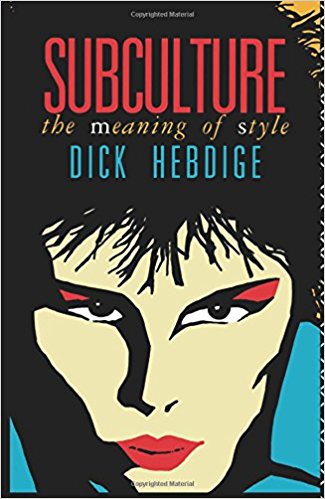
Looking back at Dick Hebdige’s classic book Subculture: The Meaning of Style, on the anniversary of its first publication forty years ago.

How can journalists and news organizations contribute to media literacy education – and what are the pitfalls to avoid?
 In the face of ‘fake news’ and disinformation, people’s trust in media seems to be declining. But do we need to have more trust in media, or less?

What does the new UK government report on fake news and disinformation have to say about ‘digital literacy’?

How can youth media production promote civic and political understanding and activism? A review and an interview with Steve Goodman.
 How can we – and should we – regulate the digital media landscape? And what role might education have to play? Some current issues for media students and their teachers.

