
How might a series of children’s books published in the 1950s provide insights into the character of today’s privately educated political leaders?
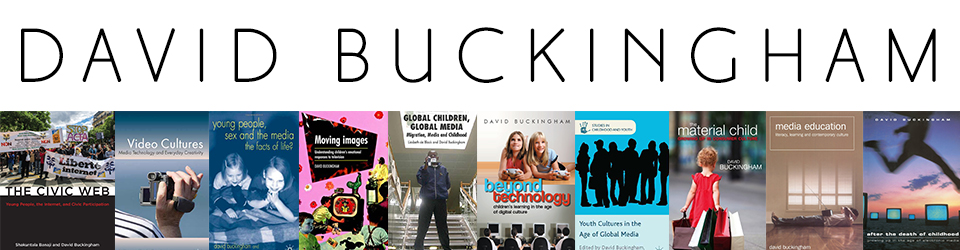
How might a series of children’s books published in the 1950s provide insights into the character of today’s privately educated political leaders?
The UK government is developing new policies on media literacy. But what does it mean by media literacy – and where is education in its plans?

The first of two posts revisiting the idea of citizenship education, and its relationship with media education.
 ‘All over the world, the school has an anti-educational effect on society.’ Fifty years ago, Ivan Illich’s book Deschooling Society offered a radical challenge to the very institution of the school. How far might it be relevant to the world after lockdown?
 The argument for restoring ‘traditional’ forms of education is based on dubious claims about social justice. Why the argument for meritocracy needs to be challenged.

The attempt to civilize the uncultured masses is coming back into style. I look back to the Leavisite approach to popular culture, and its place in the history of English teaching.
 What are the problems with theories of ‘powerful knowledge’, and how might they apply to teaching about (and with) media and technology?
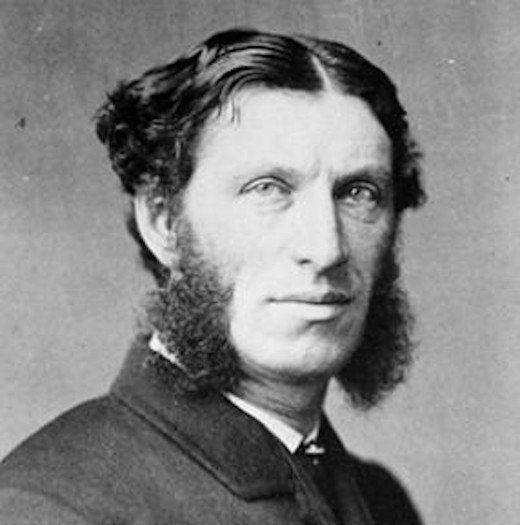
The English schools inspectors are apparently looking for schools to teach ‘cultural capital’. But what does cultural capital mean, and how is it changing?

The call to ‘decolonise the curriculum’ isn’t new. But why does it seem that so little progress been made?

 David Buckingham