Can we still teach about media bias in the post-truth age?

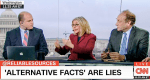
In the wake of the Brexit referendum campaign, the victory of Donald Trump, and the attacks on the Labour Party leader Jeremy Corbyn, many have argued that we are entering a ‘post-truth’ era. In this context, is bias still a useful and meaningful concept in media literacy education? And if so, how should we teach it?

Continue reading

Fake news: is media literacy the answer?

Growing concerns about ‘fake news’ have led to calls for young people to be taught critical media literacy skills. Yet while media literacy would obviously be useful, it isn’t enough to address the problem. Media educators need to frame the issue more broadly, and join forces with those calling for media reform.

Continue reading

The end of innocence?

Channel 4’s new drama National Treasure has brought the issue of celebrity paedophiles back to public attention. What does the most notorious and well-documented of these cases – that of Jimmy Savile – tell us about the role of media celebrity and children’s culture?

Continue reading

Radicalisation, social media and young people

There is growing concern about the role of social media in ‘radicalising’ your people. But the government’s response to this phenomenon is contradictory and likely to prove ineffective. Here’s why we need a more thoughtful approach.

Continue reading